
This was the headline on the front page of The Times today, 15 October 2026, and at Roche Court Sculpture Park, we wholeheartedly welcome this announcement.
The new Education Secretary, Lucy Powell, has announced that the ability to speak fluently will be “hardwired into a revised national curriculum and assessed as part of GCSE exams”.
Taking a firmer view, Libby Purves pointed out recently in the Times that ‘as the world hunches over its phone, verbal deficit grows.’ The over consumption of short-form content, giving a child a screen to keep them quiet, and reliance on Artificial Intelligence means ‘those who find talking hard can be lethally lured by others’ dazzling rhetoric, however mad and horrible. It is fatally easy now to grow up inarticulate.’
Powell also recognises that, with the rise of AI, teaching young people to communicate confidently in person will become increasingly important — an area that state schools have not always prioritised.
As she explains, the ability to articulate oneself confidently is central to success in both work and life.
“If we are serious about improving young people's life chances, we need an education system that reaches beyond the classroom.”
These are sentiments that Lady Bessborough has championed for many years.
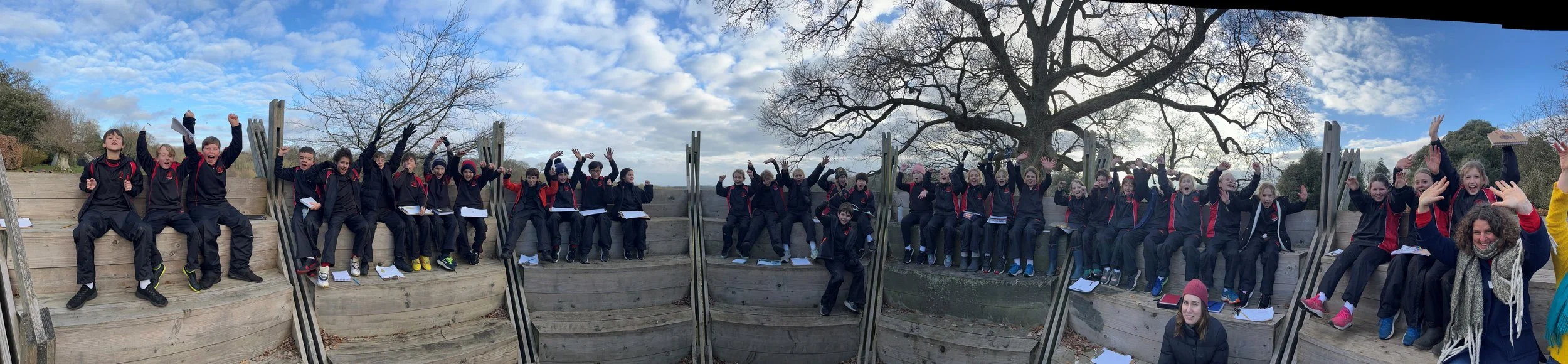
In 2004, she established the Roche Court Educational Trust to realise her vision of inspiring young people to engage with art, express their ideas and speak about what they see with confidence and understanding.
She went on to create The Articulation Prize, a national public-speaking competition that encourages young people to explore a work of art and communicate their thoughts, ideas and interpretations through a short presentation. The Prize has since been taken on by the National Gallery in London, allowing its important work to reach an even wider audience.
At Roche Court Sculpture Park, we have long believed that the ability to look, think critically and express ideas clearly is fundamental to a young person's development. Art provides a unique opportunity to nurture these skills, encouraging curiosity, independent thought and the confidence to speak in front of others.
We therefore warmly welcome this recognition of the importance of spoken communication in education. Giving speaking the same status as writing is a significant step towards ensuring that every young person can develop the confidence and skills they need to thrive, both in the classroom and beyond.