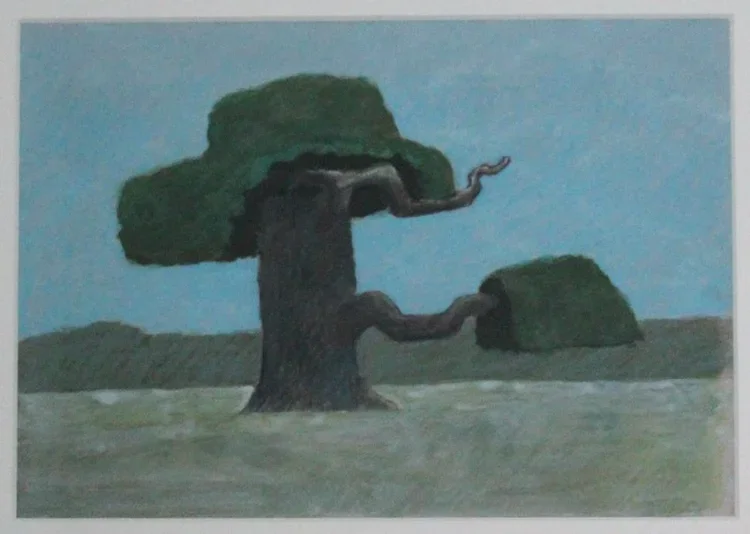
Kenneth Armitage
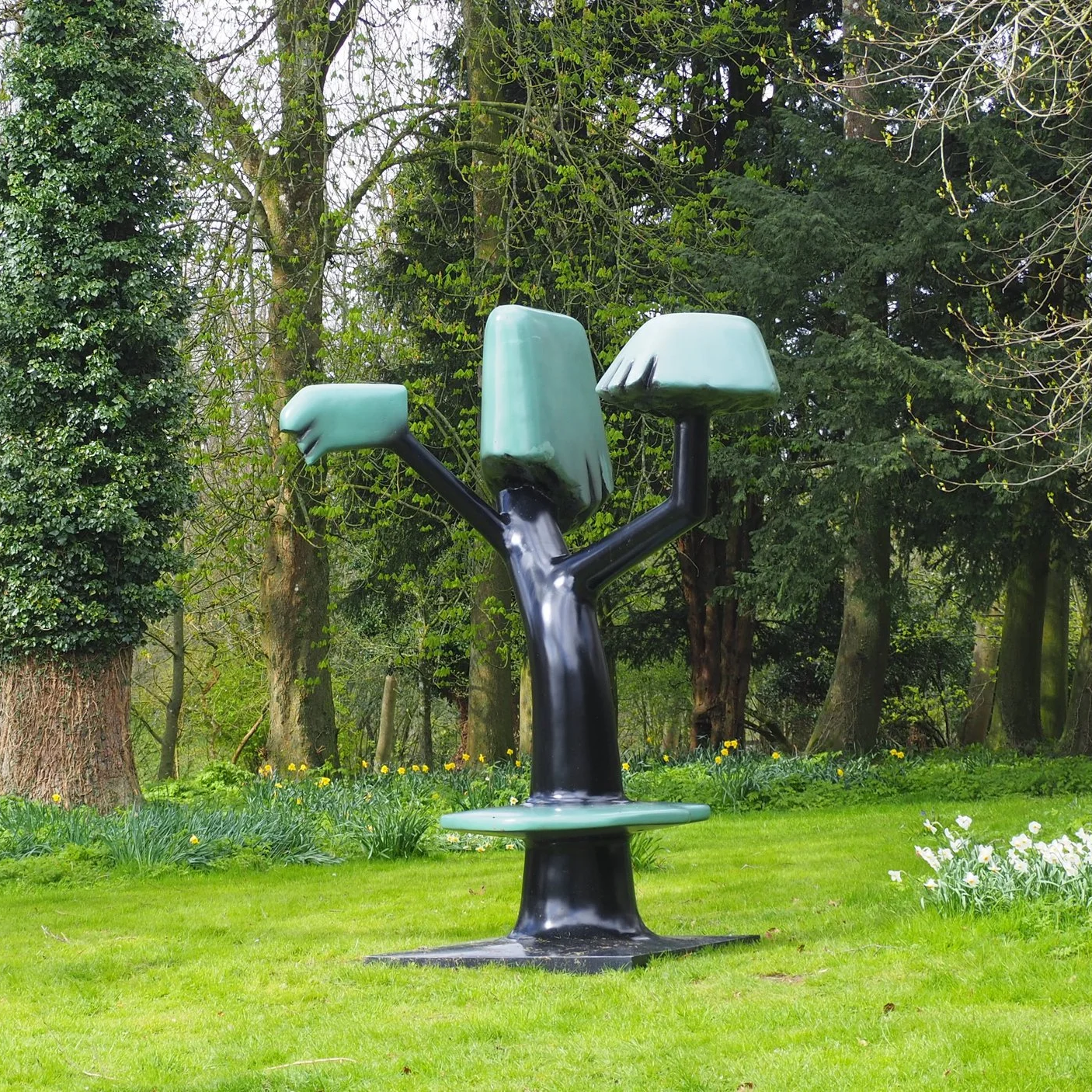
Kenneth Armitage
Richmond Oak
1985 (cast 1990)
Bronze
305 x 190.5 x 240 cm
10ft x 6ft 3 x 7ft 6 ½ in.
Kenneth Armitage (1916-2002) was part of the great renaissance of British sculpture in the early post-war years; a renaissance which was appreciated by museums and collectors in New York and Europe even more than in Britain.
Born in 1916, Armitage attended Leeds College of Art and won a scholarship to study at the Slade School of Fine Art in London. During World War II, he served in the army. Between 1946 and 1956, he was head of sculpture at the Bath Academy of Art, Corsham, Wiltshire. It was one of the most innovative art schools in Britain at the time with an interesting group of students and staff; William Scott was head of painting. The art of bronze casting had been in severe decline because of the austerity of the post-war years; Armitage was instrumental in a foundry being built at Corsham so that work by students and staff could be cast under their own supervision. He held a Gregory Fellowship in sculpture at Leeds University (1953–5)
Armitage's very early works were carved in stone, but in the post-war years he began casting in bronze, initially using plaster modelled on metal armatures, later using clay. He first attracted international attention at the 26th Venice Biennale in 1952 as one of a group of young British sculptors including Reg Butler, Lynn Chadwick, William Turnbull and Eduardo Paolozzi, whose work demonstrated a new anti-monumental, expressionist approach. His first solo shows were held at Gimpel Fils, London (1952) and the Bertha Schaefer Gallery, New York (1954). By the 1960s he had begun working with wax, resin and aluminium; later he became interested in the combination of drawing and sculpture, experimenting with photographic, drawn and printed images of figures on three-dimensional surfaces.
In 1985, Armitage was commissioned to place a sculpture in the city of Brasilia, Brazil, to be situated at the British Embassy there. Renowned and admired for his figurative works, they were hoping for such a sculpture. However, on visiting Brasilia, Armitage was saddened by its lack of greenery, and sculpted instead a tree. Richmond Oak, with its bright colour and stylised form, reflects the newness and industrialisation of culture in the 1980s, fitting for its site in the relatively young city of Brasilia. Simultaneously, it regards the oak tree as a representation of English tradition and history – a symbol of home in faraway lands. The New Art Centre represents the Estate of Kenneth Armitage in partnership with Jonathan Clark Fine Art Ltd, London.
Please contact us for more information on works by Kenneth Armitage.
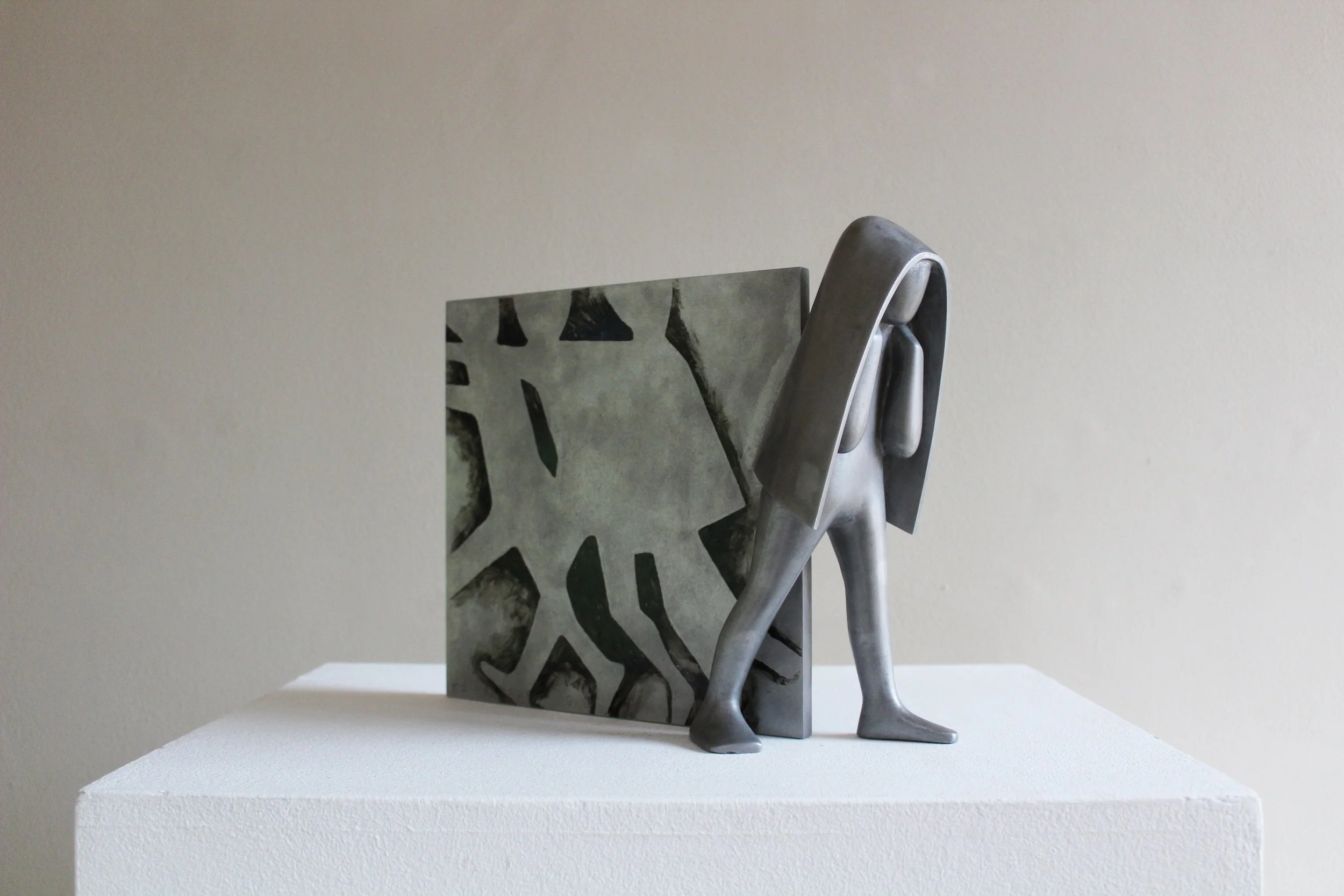
Kenneth Armitage
Bernadette Going to Wales
1972 (cast 1986)
Aluminium and gloss paint
24.5 x 29 x 9 cm
9 ⅝ x 11 ⅜ x 3 ½ in.
Paintings
-
![]()
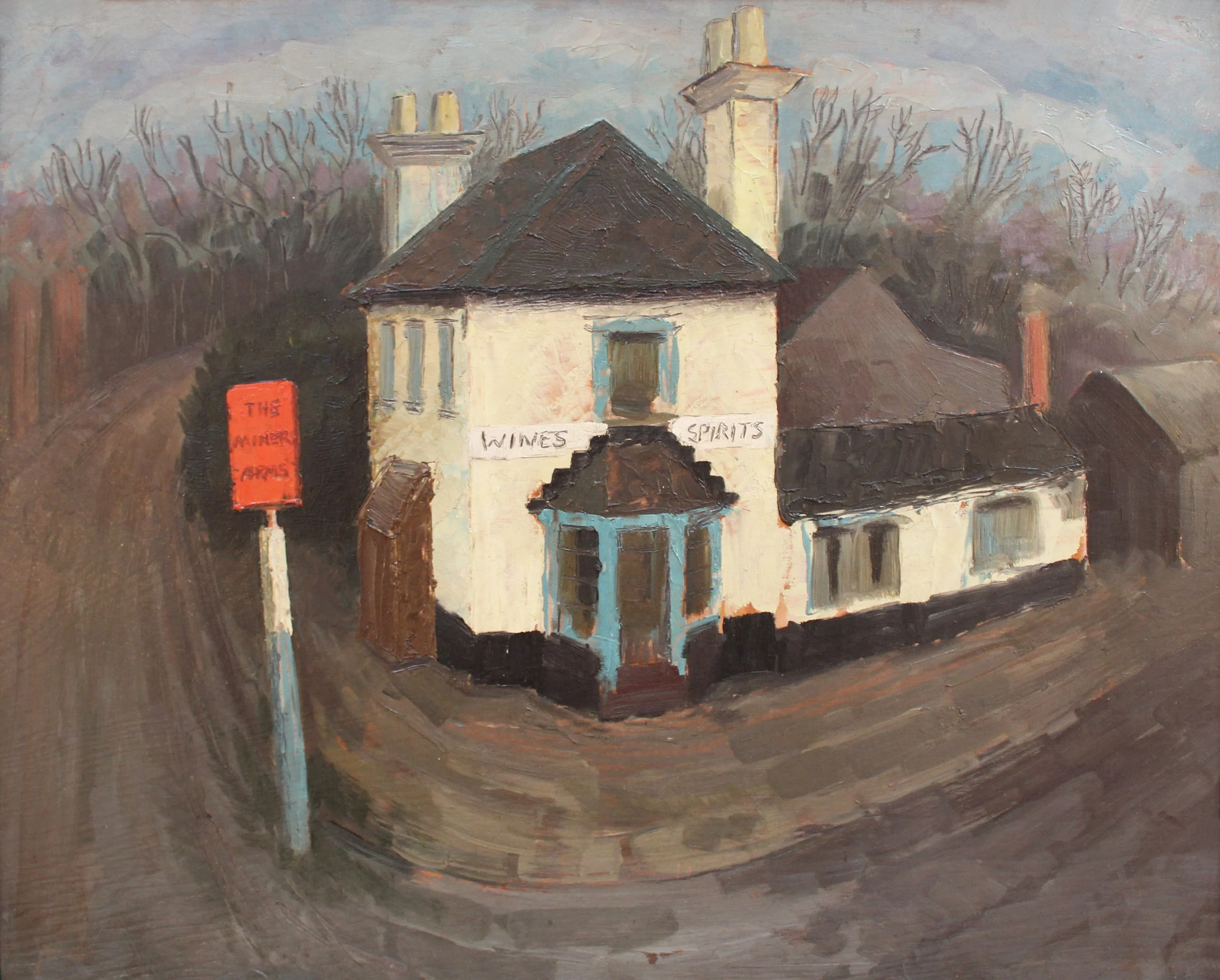
The Miner's Arms, Mytchett, c.1940, Oil on board, Frame: 59.5 x 69.5 x 4.3 cm / 1ft 11 ½ x 2ft 3 ⅜ x 1 ⅝ in.
-
![]()
Brompton Cemetery, 1949, Oil on canvas, Frame: 78.5 x 91.3 x 3.5 cm / 2ft 6 ⅞ x 3ft x 1 ⅜ in.
-
![]()
Davenport while at Raglan Barracks, 1940, Oil on board, Frame: 42 x 50.5 x 4.5 cm / 1ft 4 ½ x 1ft 7 ⅞ x 1 ¾ in.
-
![]()
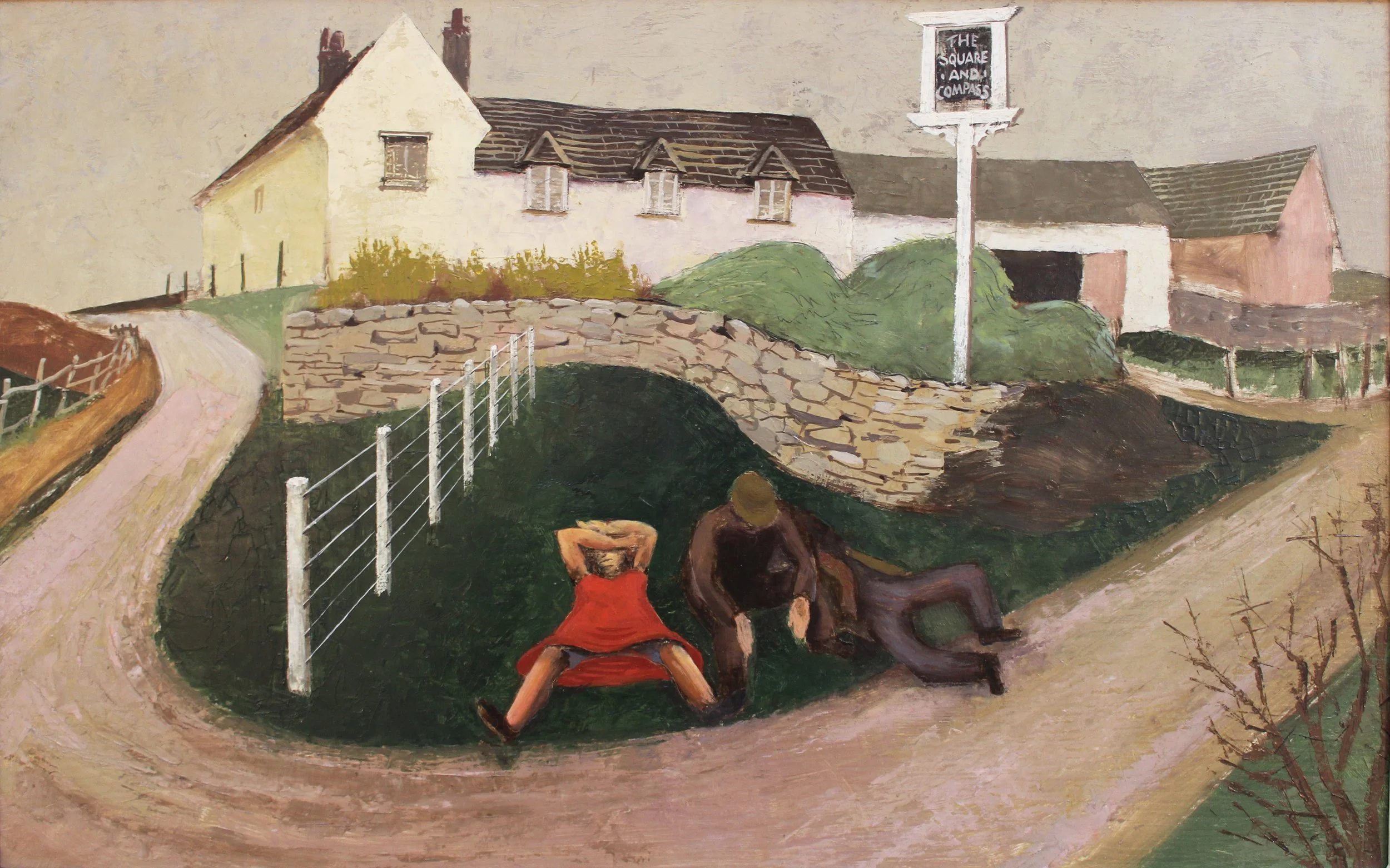
The Square and Compass, Worth Matravers, c. 1937-39, Oil on board, Frame: 58.5 x 83.2 x 4.3 cm / 1ft 11 x 2ft 8 ¾ x 1 ⅝ in.


Works on Paper
-
![]()
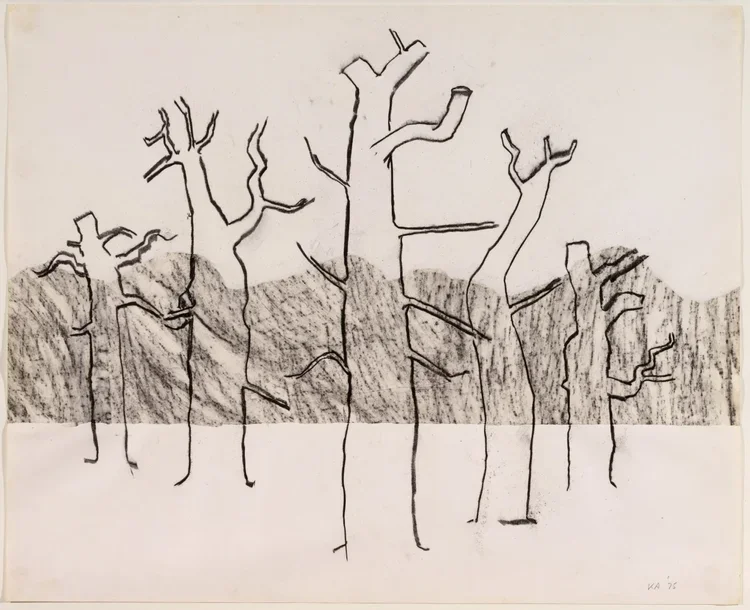
Five Trees (Line), Richmond Park, 1975, Charcoal and collage on paper, Sheet: 51.5 x 64 cm / 1ft 8 ¼ x 2ft 1 ¼ in.
-
![]()
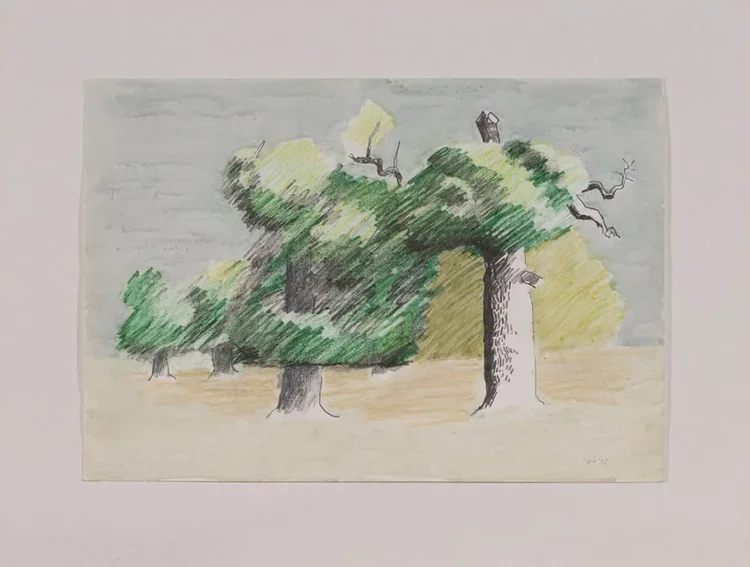
Four Trees (one with white trunk), 1975, Pencil, crayon and wash on paper, Sheet: 39.5 x 56.7 cm / 1ft 3 ½ x 1ft 10 ⅜ in.
-
![]()
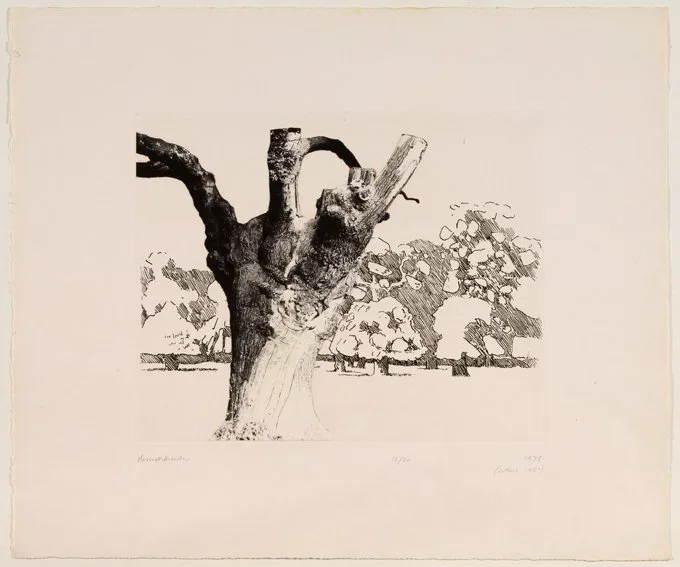
Untitled (Richmond Oak), 1978 (collage 1981), Etching with photo collage, Sheet: 50 x 60 cm / 1ft 7 ¾ x 1ft 11 ⅝ in.
-
![]()
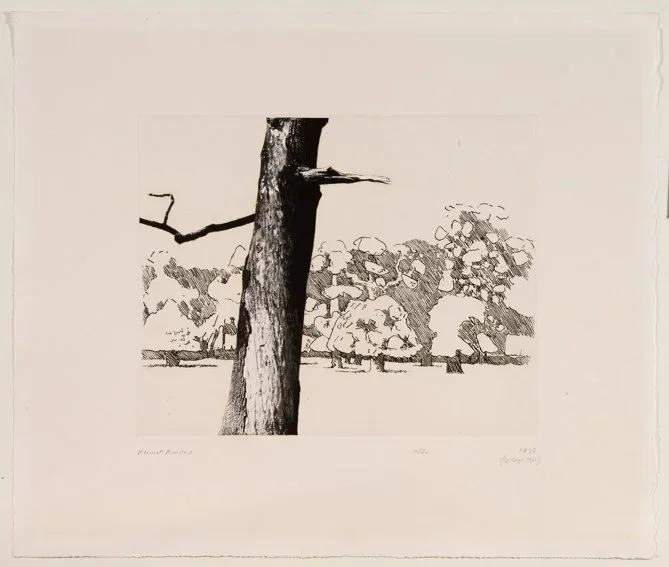
Untitled (Richmond Oak), 1978 (collage 1981), Etching with photo collage, Sheet: 51.5 x 60 cm / 1ft 8 ¼ x 1ft 11 ⅝ in.
-
![]()
Richmond Oak, c. 1977, Pastel, gouache and pen on paper, Sheet: 27.5 x 37.5 cm / 10 ¾ x 1ft 2 ¾ in.
-
![]()
Studies for Pandarus, 1964, Charcoal & wash on paper, Image: 50.8 x 40.6 cm / 1ft 8 x 1ft 4 in.