William Turnbull
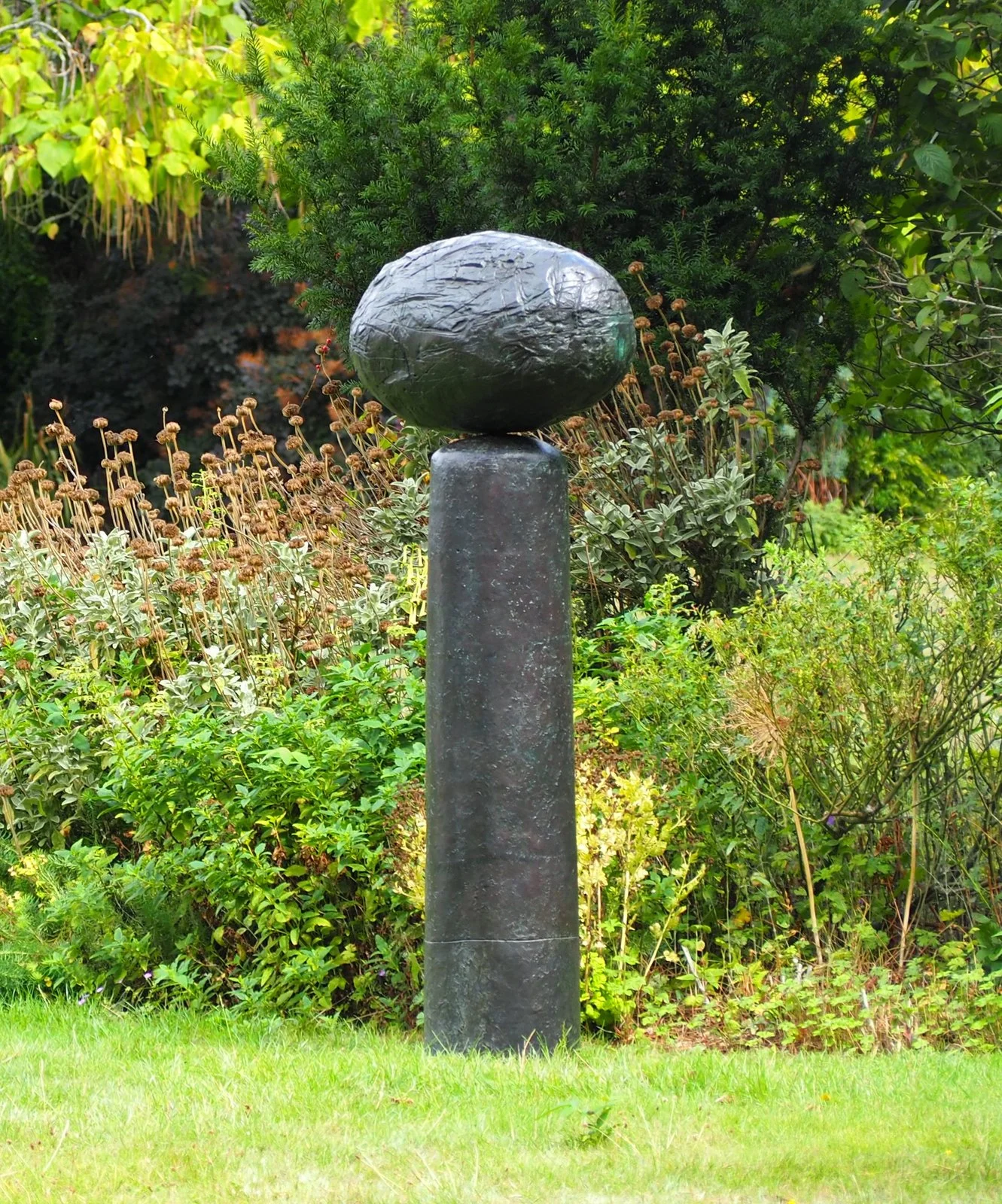
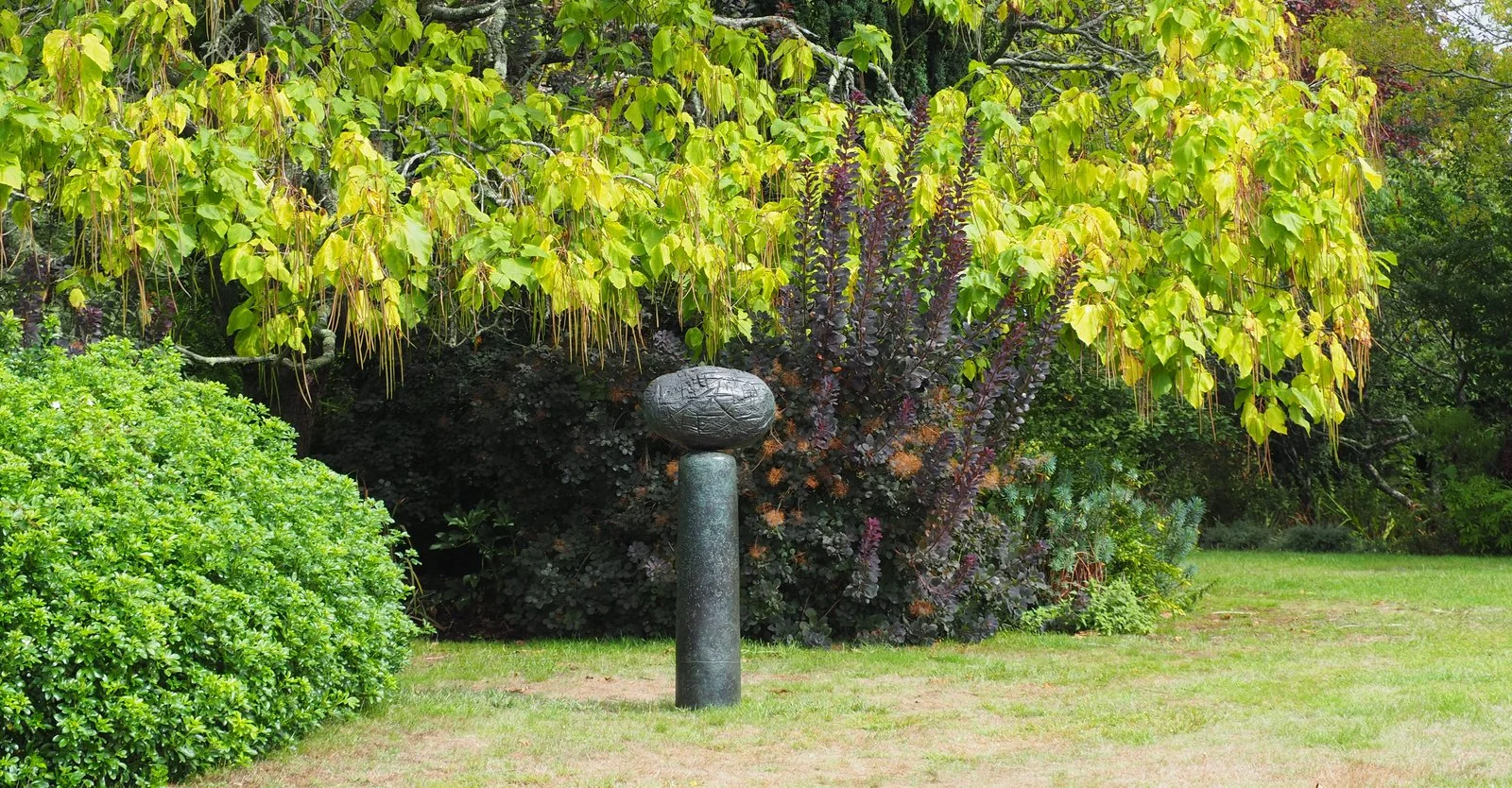
Aphrodite
1984
Bronze
168 x 68 x 38 cm
Edition 5 of 6 plus 1 AP
Among the most compelling of William Turnbull's totemic female figures, Aphrodite distils the human form into an austere vertical stack of just two interlocking elements. Aphrodite's torso and head are delicately balanced with the poise of an ancient idol.
What singles Turnbull out in his generation of artists that reshaped British sculpture after WWII is his interest in, and reinterpretation of, the powerful simplified forms of ancient and non-western art. Turnbull studied and had a great interest in archaic and prehistoric artefacts fostered by visits to the British Museum, favouring forms that felt to him ancient and elemental.
Turnbull gave these totemic works the names of powerful female archetypes - Aphrodite, Venus, Queen, War Goddess - inviting readings of fertility and sacred myth while deliberately keeping the figures faceless and ageless.
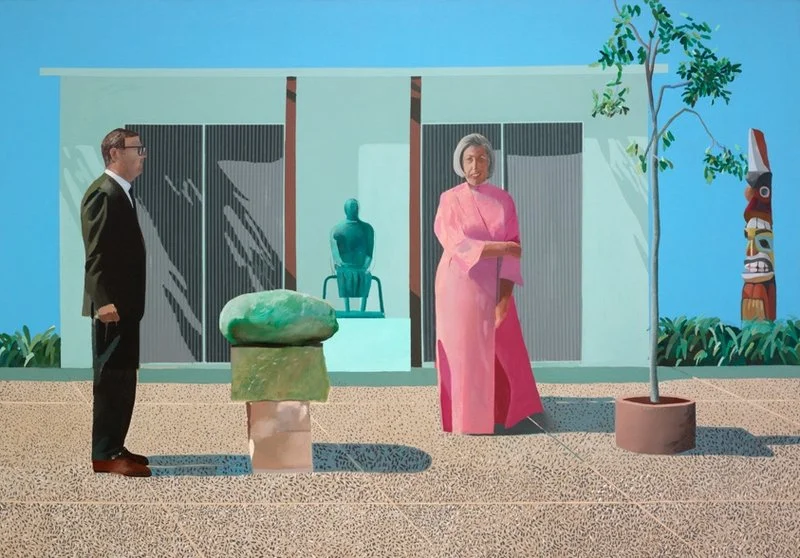
© David Hockney, The American Collectors (Fred and Marcia Weisman), 1968, Acrylic on canvas, 213.4x304.5cm. Featuring William Turnbull, Hero 2.
In the 1960s, David Hockney completed a series of paintings that include depictions of Turnbull's stacked bronzes. Speaking to how the sculpture could sit with major figures of modernism as well as the prehistoric.
'Turnbull's brilliance was that he was a radical modernist who recognised that sculpture is of its nature archaic'
- Antony Gormley, William Turnbull: Beyond Time, Turnbull Studio Productions, London, 2011
Turnbull’s international reputation was established with his inclusion in the exhibition New Aspects of British Sculpture, held in the British Pavilion at the Venice Biennale in 1952. Alongside Kenneth Armitage, Reg Butler, and other young British sculptors, Turnbull became known as part of a generation of artists referred to as the “Geometry of Fear” group.