
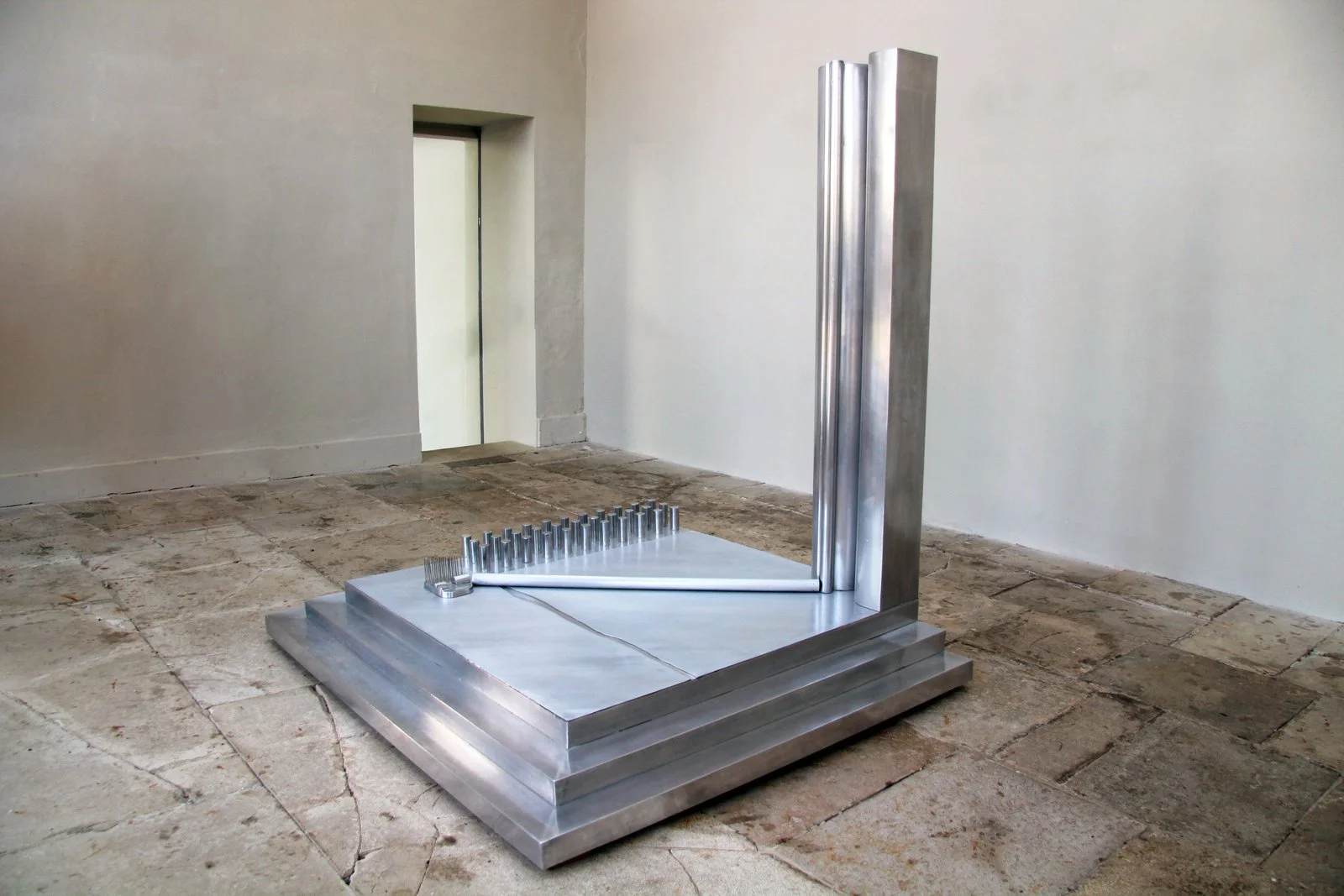
Second Place, 1970, Aluminium,173.7 x 165.1 x 143.5 cm. 5ft 8 x 5ft 5 x 4ft 8 in.
2 November 2026 marks fifty years since the death of the sculptor Hubert Dalwood. A distinctive figure in post-war British sculpture, Dalwood developed an individual visual language that moved between figuration and abstraction. His work draws on the forms of the natural world, the human figure and the built environment, but rarely settles into recognisable representation. Instead, forms seem to hover between the familiar and the unexpected.
In 1955, Dalwood was appointed Gregory Fellow in Sculpture at the University of Leeds, following an interview by a panel that included Henry Moore and T. S. Eliot. Moore subsequently acquired Dalwood’s Tree (1957). His Large Object won the John Moores Sculpture Prize in 1959, and he received the David Bright Prize at the 1962 Venice Biennale. A Churchill Fellowship in 1972 took him to the Far East, including Japan, and in 1974 he became Head of Sculpture at the Central School of Art and Design in London. Fifty years after his death, Dalwood’s work continues to command attention for its originality, its material inventiveness and its refusal to be easily categorised.
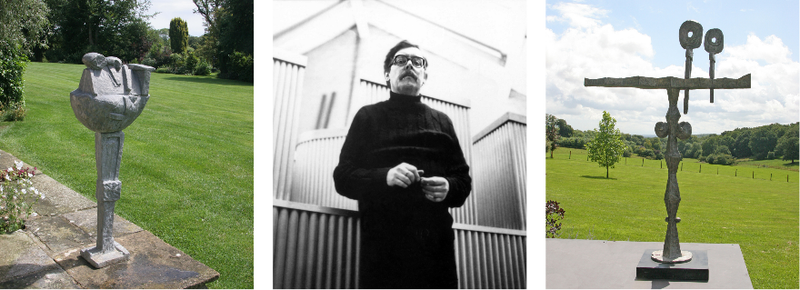
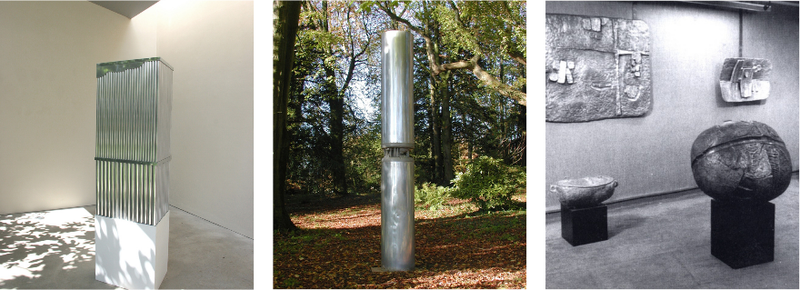
NAC archival photographs
Dalwood's work has been exhibited internationally and is held in several public collections including Rijkesmuseum, Netherlands; Solomon T. Guggenheim Museum, USA; Museum of Modern Art, New York; Tate, London; Arts Council of Great Britain; Carnegie Institute, Pennsylvania; Leeds City Art Gallery, Yorkshire; Wakefield City Art Gallery and British Council.